You may have strong passwords, updated devices and security software, but what happens when an attacker understands your habits, emotions and relationships?
Every click, conversation and online post reveals something. Cybercriminals combine these clues with trust, urgency, curiosity and fear. Artificial intelligence is now making fraudulent messages, voices, images and videos even more convincing.
AI + Human RiskThink before trusting. Verify before clicking.
DateTo be announced after registrationsTimeSchedule shared with registered participantsModeOnline or offline based on confirmed participantsEligibilityNo technical background required
Why this webinar matters
The next cyberattack may not begin with code. It may begin with a conversation.
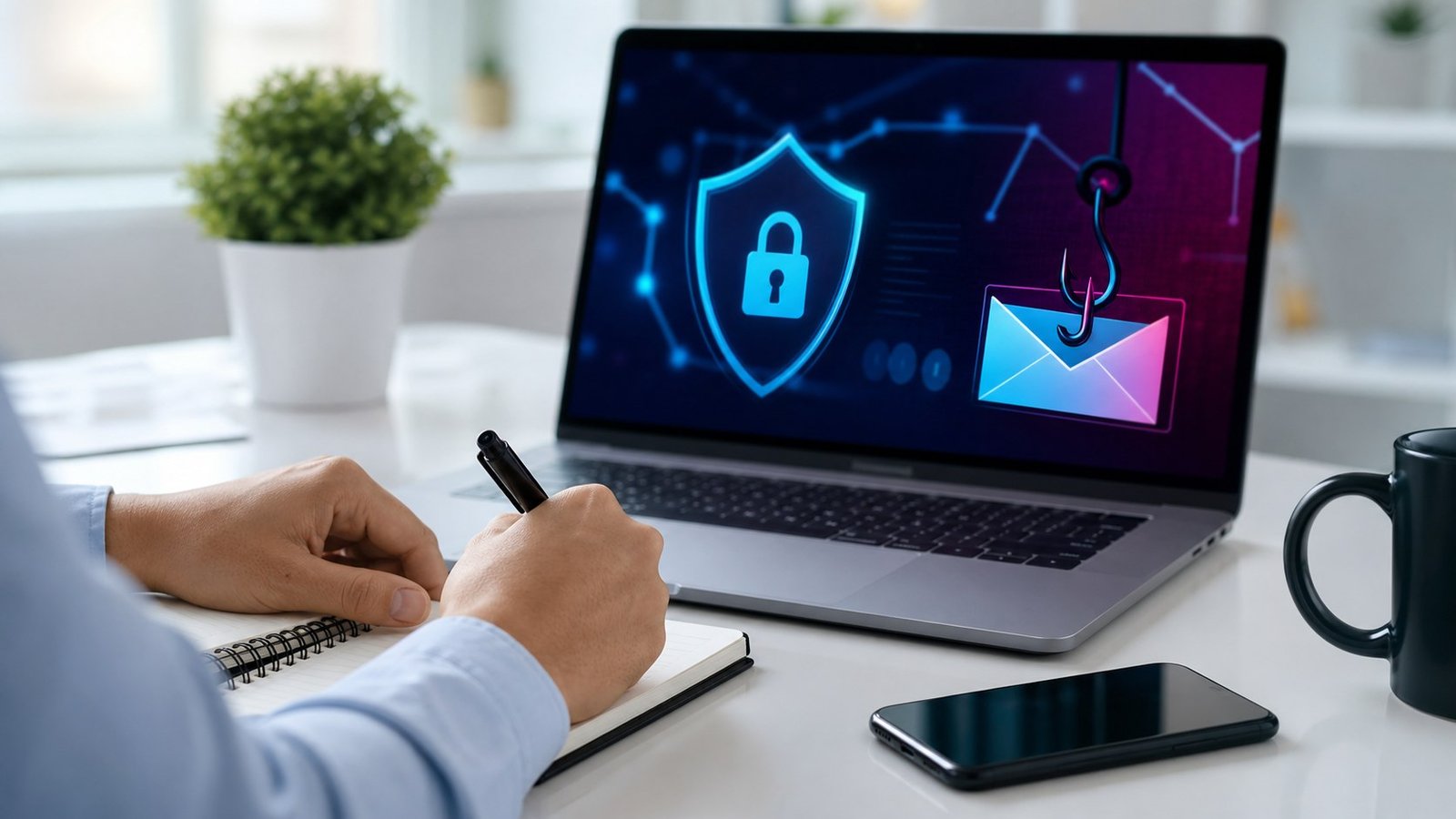
Modern cyberattacks increasingly target people before they target systems. An attacker may study your social media activity, professional relationships, communication style and daily routines before approaching you. Artificial intelligence can then be used to create highly convincing emails, messages, voices and videos.
This webinar will help participants recognise manipulation techniques, question suspicious communication and make safer decisions before clicking, sharing, paying or responding.
Session Topics
What will you explore during the webinar?
Six practical themes designed for students, professionals, business owners and everyday internet users.
01
How much does the internet already know about you?
Understand how public posts, profiles, photographs, comments and online behaviour can reveal more information than expected.
02
Why do intelligent people fall for cyber scams?
Learn how attackers use trust, urgency, authority, curiosity, fear and emotional pressure to influence decisions.
03
Can you trust a familiar message, voice or video?
Explore impersonation, phishing, voice cloning, deepfakes and AI-generated communication.
04
How is AI changing cybersecurity?
Understand how artificial intelligence is helping both attackers and defenders work faster and more effectively.
05
How can you reduce your risk?
Learn practical verification habits that can help protect your identity, money, devices, workplace and relationships.
06
What does it take to begin a cybersecurity career?
Get a practical introduction to cybersecurity roles, foundational skills, learning paths and career opportunities.
Webinar Experience
More Than a Presentation
Real-world cyber-risk situations
Audience questions and interaction
Practical digital-safety guidance
AI-related demonstrations and examples
Scam and social-engineering awareness
Career insights for cybersecurity beginners
A question-and-answer session
No hacking activity will be performed against real websites, devices, accounts or networks.
Who should attend?
This webinar is suitable for
Students and graduatesWorking professionalsEntrepreneurs and business ownersManagers and business leadersCareer switchersParents and general internet users
No technical background is required, only curiosity and a willingness to think before trusting.
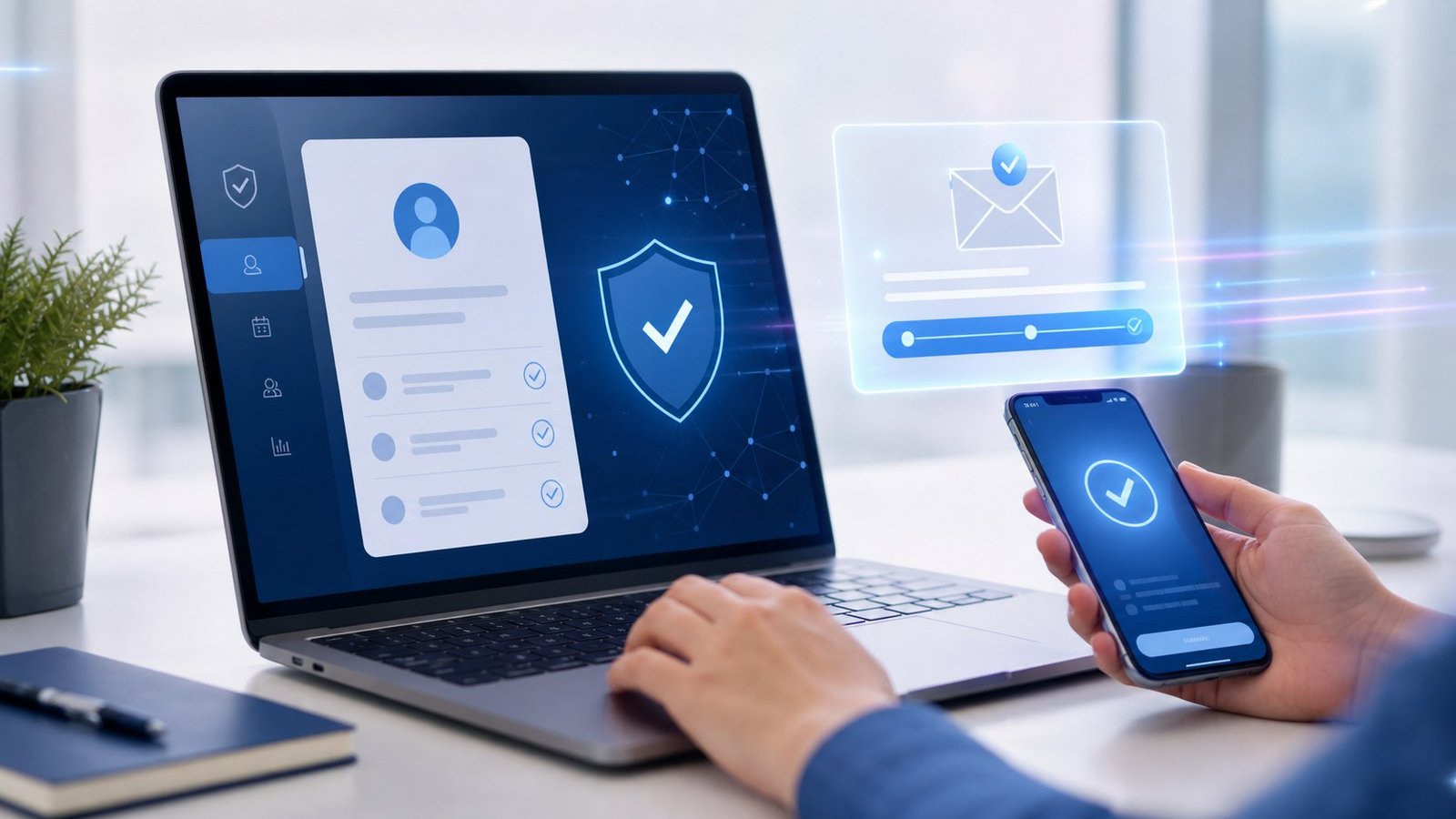
Recognise AI-generated or impersonated communication and respond carefully when something feels suspicious.
🎓
Career clarity
Understand cybersecurity learning paths, practical roles and beginner-friendly next steps.
Presented by Layeron Technologies
Practical cybersecurity awareness for everyday decisions
Layeron Technologies focuses on practical technology and cybersecurity learning for students, graduates, working professionals, entrepreneurs and career switchers.
Beginner-friendly learning
Practical and real-world approach
Clear explanations without unnecessary technical complexity
Responsible and ethical cybersecurity education
Career guidance for interested participants
Online, classroom and hybrid learning options
Please read before registering
Important Information
The webinar date will be announced after registrations are reviewed.
The session may be organised online or offline depending on confirmed participants.
Registration details and joining instructions will be shared by email and WhatsApp.
Registration is reserved only after payment completion on the configured payment page.
The webinar is for awareness and educational purposes.
Unauthorised security testing or illegal cyber activity is strictly prohibited.
FAQ
Webinar Questions
The final date and time will be announced after registrations are reviewed. Participants will receive the schedule through email and WhatsApp.
The webinar may be organised online or offline depending on the number and location of confirmed participants.
No. The webinar is beginner friendly, and no technical background is required.
Yes. Your seat is reserved only after completing the configured secure payment process.
Joining instructions will be sent to your registered email address and WhatsApp number.
Cybersecurity Is No Longer Only an IT Skill. It Is a Life Skill.
The people, messages and requests you trust can influence your digital safety. The next cyberattack may not begin with code. It may begin with a conversation.


 🎓
🎓